Cereal Milk, Dogwalker, and the Death of the Kush Name: Inside Cannabis' Weirdest Arms Race
Somewhere in America right now, a licensed grower is smoking a test crop, squinting at it, and typing "Peanut Butter Breath" into a spreadsheet. Nobody in the room finds this strange. That's where we are as a culture: cannabis names have fully detached from anything resembling description and floated off into skate-video-title territory.
But here's the thing nobody tells you — the madness has a method. And lately, the method involves lawyers.
A Brief Taxonomy of Naming Eras
Cannabis naming has gone through distinct epochs, like geology but stickier.
The Classics (pre-2000s): Names were basically GPS coordinates and growing conditions. Kush, Haze, Northern Lights, Durban Poison. If you told someone you were smoking Afghan Kush, you were communicating actual information: where the genetics came from and roughly what it would do. Romantic, functional, boring.
The Kitchen Sink Era (2000s–2010s): Breeders started smashing names together to show lineage. Blueberry crossed with Diesel? Blue Diesel. Chemdawg crossed with Sour Diesel? Sour Chem... you get it. Naming as genealogy.
The OG Boom (2010s): Someone discovered that slapping "OG" on anything made it sell, and for a solid decade every jar was OG Kush, OG Chem, OG Shark, OG Everything. Meanwhile on the West Coast, the fruit-and-dessert era was dawning.
The Dessert-Rapper Crossover (now): We have arrived. Cereal Milk. Lemon Cherry Gelato. Zoap. Gushers. The current naming convention is roughly: pick a snack, a color, or an emotion, add a fruit, done. And yes, a lot of it directly borrows from hip-hop culture and streetwear branding, because that's the aesthetic engine of modern cannabis marketing.
Why the Names Got So Weird
Blame it on shelf competition. Walk into any decent dispensary in Denver, LA, or Michigan and you're looking at 50-plus strains of basically similar flower. When every jar tests between 22 and 28 percent THC, the name becomes the entire marketing department.
A memorable name is free advertising. "Gorilla Glue" — later rebranded GG4 after a glue company's lawyers came calling — did more for that strain's sales than any lab result ever could. You remember it. You ask for it by name. That's worth real money in an industry where brand loyalty is famously slippery.
There's also a generational signal baked in. A menu full of Kushes and Hazes reads as legacy, old-school, your dad's plug. A menu full of dessert names and cartoonish absurdity reads as new, fun, legal. Breeders know exactly which customer they're talking to.
Enter the USPTO, Stage Left
Here's where it gets genuinely interesting. Trademark law is quietly reshaping the whole game.
Because cannabis remains federally illegal, you can't get a federal trademark on a cannabis product name. Full stop. The Patent and Trademark Office won't register marks for Schedule I (or even Schedule III-adjacent) goods. So breeders have gotten creative — trademarking the name for accessories, apparel, or hemp-derived products instead, building brand protection sideways.
This legal gray zone has produced real casualties. Gorilla Glue got sued by the actual glue company. Companies have fought over Gelato, Cookies, and Runtz — some of the most valuable brand names in the industry — in courtrooms across multiple states. When your product can't cross state lines but your brand name can be infringed nationwide, enforcement gets messy fast.
The result? A quiet land grab. Whoever files paperwork first, even for t-shirts or grinders, can lock up a name nationally. The absurd names aren't just vibes — they're also easier to trademark because they're more distinctive. "Cereal Milk" clears trademark distinctiveness hurdles that "Kush" never could. Weird names are, legally speaking, better names.
What a Name Actually Tells You (Spoiler: Not Much)
Here's the honest part: a strain name tells you almost nothing verifiable about what's in the jar.
There's no regulatory body confirming that the "Lemon Cherry Gelato" you bought in Ohio matches the one from the original breeder in California. Unstable genetics, clone-only cuts, and outright counterfeit seeds mean the same name can cover wildly different plants. One dispensary's Gelato is a dessert terp bomb; another's is a random hybrid wearing a popular name like a borrowed jacket.
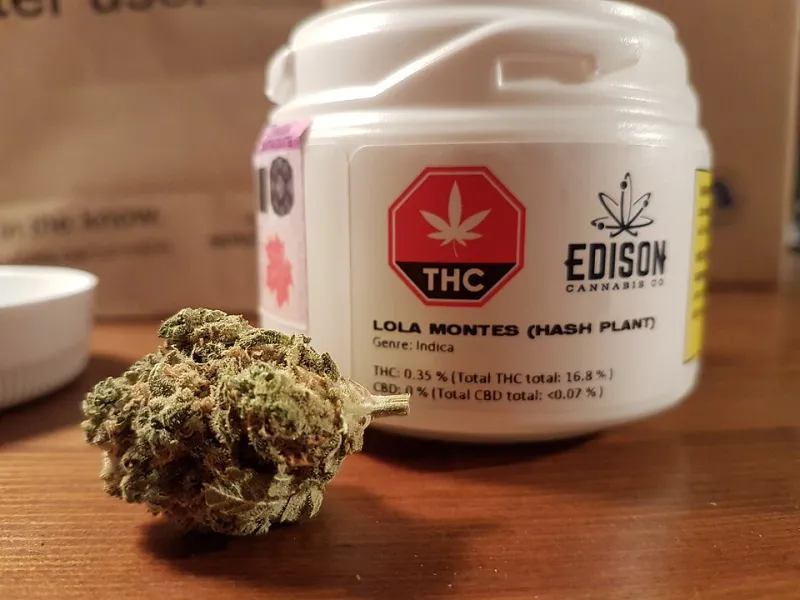
What actually predicts the experience? The lab results: dominant terpenes (myrcene, caryophyllene, limonene), cannabinoid profile, grower reputation. The name is marketing. The terpene panel is data. If a name draws you in, great — that's what it's for. Just check the certificate of analysis before you commit.
The Names Aren't Getting Normal Anytime Soon
If anything, expect things to get weirder. As federal rules loosen and national brands become possible, distinctive names become even more valuable assets. Expect more crossover branding, more trademark filings, and more jars that sound like deleted episodes of a Cartoon Network show.
The Kush-and-Haze era gave us names that described the plant. This era gives us names that describe a feeling — or a snack. Neither approach tells you how high you'll get. But only one of them makes you laugh out loud in a dispensary line, and honestly, that counts for something.