Frozen Chosen: Why the Coldest States in America Are Quietly Winning at Legal Weed
Nobody pictures Michigan when they picture great cannabis. The mental image is still a sun-drenched Humboldt hillside or a Las Vegas warehouse the size of an airport hangar. But here's the uncomfortable data point for the West Coast: Michigan residents buy more cannabis per person than almost anyone else in the country, and they're doing it in a state where outdoor grows get maybe five good months and lake-effect snow buries the rest.
The cold states aren't just surviving legalization. In a lot of ways, they're writing the playbook for it.
Winter Changes What People Buy
Talk to any dispensary operator in Ann Arbor or Portland, Maine, and you'll hear the same thing about January: the menu rearranges itself. Flower sales dip a few points, and everything ingestible climbs.
Edibles are the obvious winner. When it's fourteen degrees and dark by 5 p.m., nobody's rolling outside for a smoke session. A 5-millimeter gummy and a streaming queue make more sense. Concentrates spike too — dabbing is an indoor ritual by nature, and cold-weather markets have quietly become concentrate capitals. Michigan's dab prices are among the lowest in the nation, largely because the volume is there to support it.
There's also a seasonal rhythm to consumption that southern markets never really develop. Summer means outdoors, parks, campfires, pre-rolls. Winter means couches, kitchens, and longer sessions with lower doses. Operators who plan their inventory around that rhythm — stocking up on tinctures, capsules, and live rosin in the fall — clean up by the time the first frost hits.
The Greenhouse Workaround
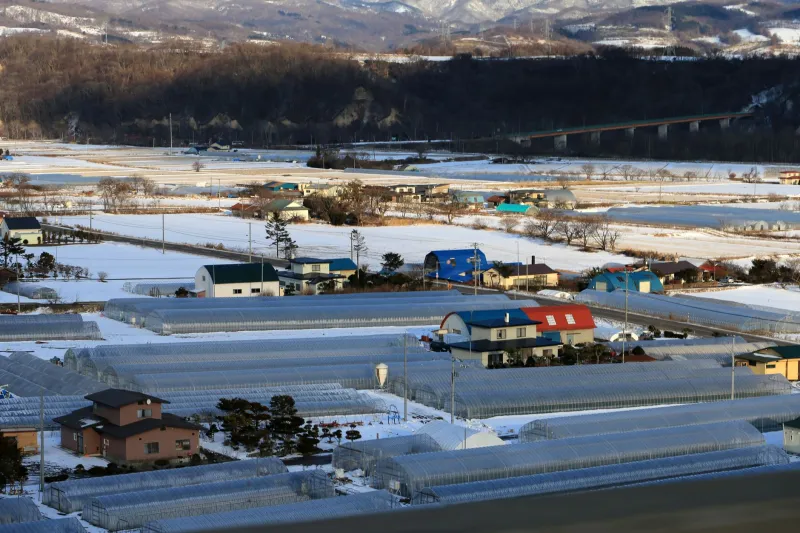
Growing in the North requires a different kind of stubbornness. Outdoor cultivation in Minnesota or Maine is a gamble against a short season, early frosts, and mold pressure from damp autumn air. So the successful operators adapted.
Maine built its whole market on a caregiver model — small, licensed home-ops that run greenhouses instead of open fields, extending the season with supplemental light and passive heat. It's a cottage industry in the literal sense, and it's kept Maine's flower scene remarkably local and remarkably cheap.
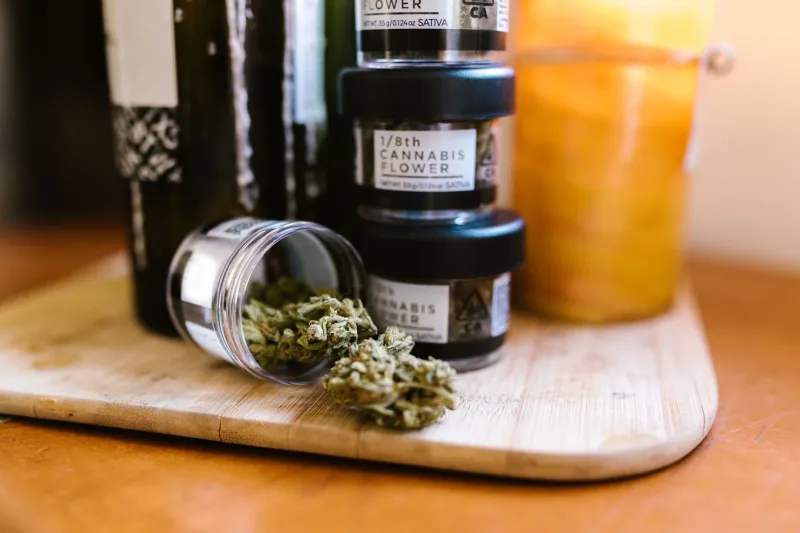
Michigan's greenhouse operators figured out something similar at scale: light-deprivation greenhouses let you pull two harvests a summer instead of one, and the cost structure beats a full indoor warehouse by a mile. The result is some of the most affordable quality flower in America — a $25 eighth of genuinely good product is normal in Detroit in a way it hasn't been in Los Angeles for years.
The trade-off is real. Sungrown in California it is not. But cold-climate flower has a certain dense, frosty character — plants pushed hard by shorter seasons often stack resin as a survival mechanism. Sound familiar? It's the same logic behind why ski-town grows punch above their weight.
What Snowbound Markets Teach Us About the Next Phase
Here's why this matters beyond regional pride: the states now legalizing — places like Minnesota, which launched adult-use sales in 2025, and a pile of Mid-Atlantic states still crawling through licensing — mostly aren't agricultural paradises. If cannabis can work in Duluth, it can work anywhere.
A few lessons are emerging from the snowbelt:
- Indoor efficiency is everything. Cold-state operators obsess over energy costs because winter heating is existential. The ones who survived the 2022–2023 price crash were the ones with tight HVAC, LED retrofits, and lean cultivation teams.
- Edibles aren't a side category. In cold markets, ingestibles can approach a third of total sales in winter. National brands are watching this closely.
- Small operators can coexist with MSOs — if licensing is structured right. Maine's caregiver system and Michigan's social-equity microbusinesses prove you don't have to hand the whole market to multi-state corporations on day one.
There's also a quieter political lesson. Cold-weather states legalized with less fanfare and less tourism hype than California or Colorado, and what they got instead was boring, functional markets — affordable product, steady tax revenue, and consumers who treat cannabis like a normal purchase rather than an event. Minnesota's slow-rollout model, with its early focus on existing medical operators and local caps, borrows directly from that playbook.
The Frost Belts the Next Frontier
The irony is thick. The states that seemed least suited to cannabis — gray, frozen, agricultural afterthoughts in the stoner imagination — are building the most resilient markets in the country. Meanwhile, some sunbelt markets drown in oversupply and collapsing prices.
Part of it is culture. In places where the winter is long and the cabin fever is real, cannabis slots naturally into the seasonal rhythm. Part of it is economics: when your margins depend on surviving February, you learn efficiency fast.
So next time someone tells you real cannabis culture lives on the Pacific Coast, mention that the person selling them a $60 eighth in Oakland learned the trade from a caregiver in Bangor. The snowbelt doesn't want the crown. It's already wearing it, and honestly, the toque keeps it warm.