Altitude Adjusts Everything: Why Ski Towns Are Quietly Outpacing Big Cities on Cannabis
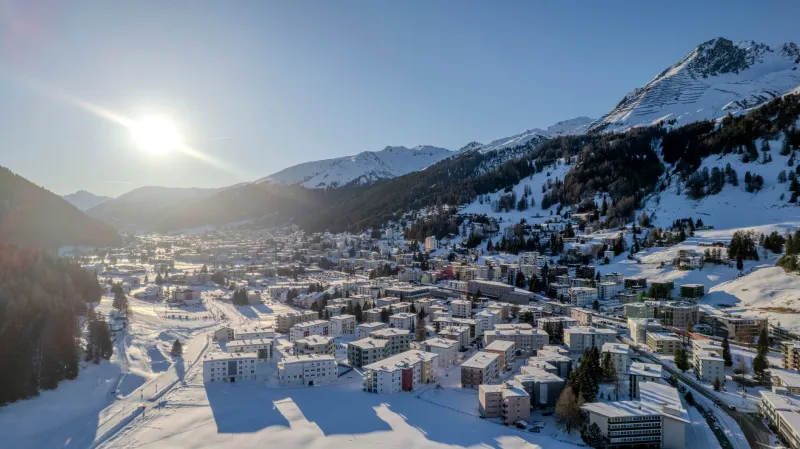
There's a moment that plays out in mountain towns across America every single weekend. A visitor from Dallas or Miami, feeling bold after two days on the slopes, wanders into a dispensary at 4 p.m., buys a handful of edibles, and by 8 p.m. is questioning every life decision that led them to a couch in Breckenridge.
The budtenders have a name for it. Some call it "the altitude tax." Others just call it Tuesday.
Why the Mountains Moved Faster Than the Metros
It feels backward on paper. Big cities have the populations, the tax bases, the progressive voting records. But when Colorado and later other Western states started rolling out legal retail, it was the resort towns — Aspen, Telluride, Steamboat Springs, Truckee near Tahoe — that leaned in early and hard.
Part of it is economics. Ski towns run on tourism, and tourists spend. A visitor who drops $400 on a lift ticket doesn't blink at a $60 eighth, which means dispensaries in resort corridors often post some of the highest per-visitor sales in their entire states. Town councils that might wring their hands over a pot shop in a suburb see a resort dispensary as one more revenue stream, right next to the gear shops and the $22 burgers.
Part of it is culture, too. Mountain towns have always had a live-and-let-live streak. The ski bum who tends bar in the winter and grows in the summer was a fixture long before legalization made it official. When retail licenses came up for grabs, plenty of towns found the applicants were people they'd known for decades.
And part of it is simple market fit. Cannabis pairs naturally with the après-ski rhythm — the day's exercise is done, dinner is hours away, and nobody's driving anywhere. Compare that to a downtown bar district, where dispensary and tavern owners spent years fighting over the same foot traffic.
The Ski-In, Ski-Out Menu
What's developed in these towns isn't just a dispensary with a mountain view. It's a genuinely distinct retail culture.
Walk into a shop in a resort corridor and you'll notice the menu is different from what you'd find in Denver or Portland. Lower-dose edibles dominate — 2 to 5 milligram options that would look timid on a city shelf. Fast-acting formats, the kind that kick in within 15 or 20 minutes, get prominent placement because the après-ski window is short. And the staff? They've fielded the same questions a thousand times, so they've gotten good at the gentle intervention.
"The most important thing I tell people is that the mountain is already doing something to them," one longtime budtender in a Colorado ski town told us. "You're dehydrated, you're at elevation, you've been exercising all day. The same edible that's a nothing-burger back home in Houston is a different experience up here."
She's not being dramatic. There's real physiology behind it.
What Elevation Actually Does to Your High
At 8,000 to 12,000 feet, your body is working harder on less oxygen. Blood oxygen saturation drops. Dehydration sets in faster than most people realize — dry mountain air plus exertion is a sneaky combination. Alcohol hits noticeably harder at altitude, a phenomenon ski towns have known for a century, and cannabis rides the same wave.
Add to that the exertion factor. A day of skiing or snowboarding burns through glycogen, shifts your metabolism, and leaves you in a genuinely altered baseline state before a single milligram enters the picture. Cannabis effects are famously sensitive to set and setting — and a tired, dehydrated, oxygen-light body is a very different setting.
Then there's the edibles problem, which our own pages have covered before: the slow onset convinces newcomers that nothing's happening, so they take more. At sea level, that mistake is unpleasant. At 9,500 feet, it's a story you'll be telling for years.
The Tourist Playbook, According to People Who Live There
Every ski town has an unofficial etiquette around visiting consumers, and the locals are happy to share it:
Go half your normal dose. Then go half again. If you're a regular consumer at home, remember that your tolerance was built at sea level with a full oxygen supply. The mountains don't care about your streak.
Eat something first. Not just because of the classic edibles advice. Low blood sugar plus altitude plus cannabis is a trifecta that ends with someone's face in a breadbasket at 6 p.m.
Hydrate like it's your job. You should be doing this on a ski trip anyway. Cannabis just raises the stakes.
Skip the vape on the chairlift. Beyond being illegal in most places, public consumption in resort towns is exactly how visitors end up meeting local law enforcement. Most mountain towns have consumption-friendly lodging or private decks. Use them.
Don't drive the pass. Mountain roads at night are dangerous enough. Adding any impairment to a winding two-lane with ice is how ski town locals can spot a tourist from a mile away — and not in a good way.
Small Towns, Big Lessons
There's something worth paying attention to here beyond vacation tips. Resort towns have essentially become a national laboratory for what cannabis retail looks like when it's normalized — where budtenders function like knowledgeable bartenders, where dosing guidance is part of the service, and where the customer base is constantly rotating through first-timers.
The rest of the country could learn from the model. Big-city dispensaries often serve established consumers who know what they want. Mountain shops, by necessity, have gotten excellent at the education piece — because every day brings a fresh wave of people who've never bought legal cannabis before, standing at a counter with cash and confidence and no idea what an eighth weighs.
So if you're heading to the slopes this season, take the locals' advice. The mountain will humble you on the way down the run. There's no reason to let a gummy finish the job.
Stay frosty, dose low, and save the heavy lifting for the moguls.