The Deposit and the Doobie: What Renters Really Risk When They Blaze at Home
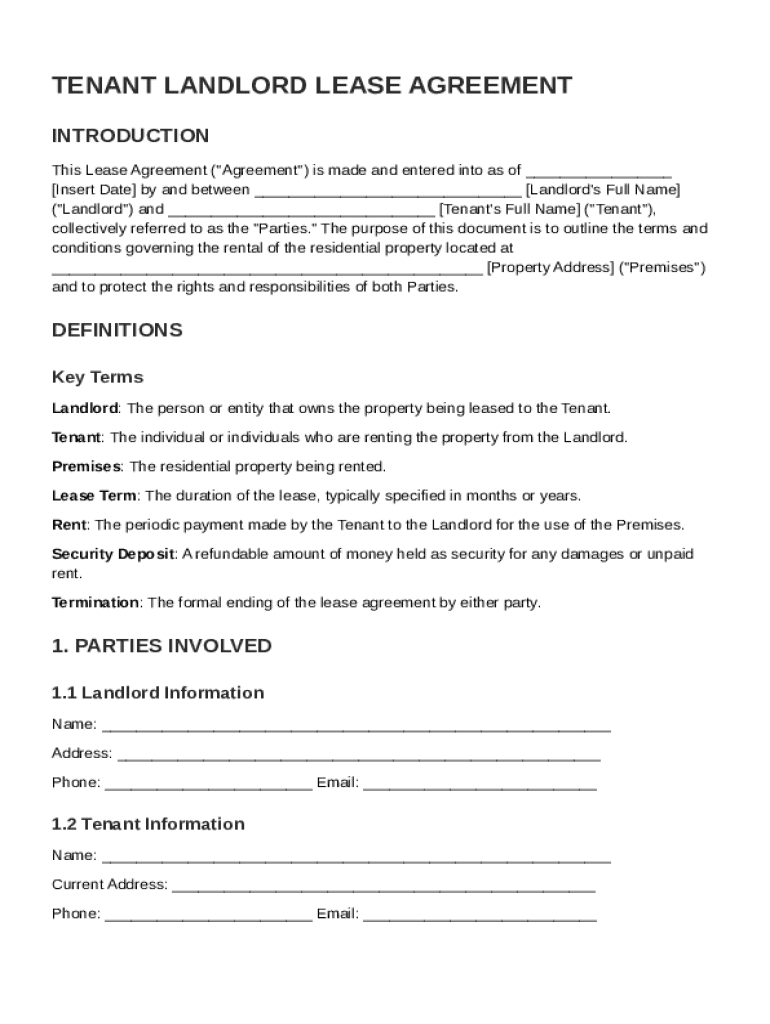
Photo: apartment lease agreement signing tenant landlord, via www.pdffiller.com
Here's the thing nobody tells you when your state goes green: legalization stops at your landlord's front door.
You can walk into a dispensary in Denver, Ann Arbor, or Sacramento, buy an eighth with your debit card, and walk home a legal adult. Then you light up in your own living room and — depending on your lease — you might be committing a fireable offense. Not a crime, necessarily. A lease violation. And for renters, that distinction matters a lot more than it sounds.
The Clause Hiding in Paragraph 14
Most leases written in the last decade contain some version of a no-smoking clause. Originally aimed at cigarettes, these provisions almost always sweep cannabis up in the same net — even in states where recreational weed has been legal for years.
"Tenants are often shocked to learn that state legalization gives them zero protection in a private rental," says Maria Chen, a housing attorney in Portland who's handled dozens of cannabis-related tenant disputes. "The lease is a contract. If it says no smoking, it means no smoking. Full stop."
And it's not just smoking. Many leases prohibit "illegal activity" on the premises — and thanks to the feds, cannabis technically qualifies. Property managers rarely invoke that language over a joint, but it's a card that can get played in any dispute, any time.
The Delta-8 Loophole That Isn't
Some renters have tried to get clever, swapping flower for delta-8 gummies or hemp-derived THC products that sidestep state cannabis laws entirely. The logic: if it's federally legal hemp, it can't violate the lease.
Attorneys aren't buying it. "If the lease prohibits cannabis or THC generally, the source of the THC probably won't save you," Chen says. "And if the lease just says 'no illegal substances,' you're now in a fight about chemistry with a property manager who has the upper hand."
Translation: the gray area is gray for lawmakers, not for the tenant getting a cure-or-quit notice.
What Property Managers Actually Care About
Here's the part that might lower your blood pressure: most property managers aren't hunting for your stash. Talk to people in the industry and a pattern emerges — they care about three things: damage, complaints, and odor that lingers into common areas or neighboring units.
A landlord in Michigan we spoke with put it bluntly: "If I never smell it and the neighbors never call, I genuinely don't know and don't want to know. The day the guy in 2B complains his apartment reeks of skunk, now I have to do something."
What actually gets renters in trouble:
- Smell migration — smoke that travels through shared walls, vents, or hallways
- Visible grow operations, which trip both lease clauses and sometimes building codes
- Damage from heavy indoor smoking, like stained walls and baked-in odor that requires repainting and ozone treatment
- Neighbor complaints, which force a manager's hand even if they'd rather look away
So What Can You Actually Do?
If you rent and consume, a little strategy goes a long way.
Read your lease like a lawyer. Look specifically for the words "smoking," "vaping," "cannabis," and "illegal activity." If it bans smoking but not edibles, that's your lane. If it bans all tobacco and cannabis use on premises, edibles and tinctures are likely your only safe harbor.
Consider a conversation. In legal states, some landlords will agree in writing to permit cannabis use, especially if you offer to use air filtration or stick to a specific method. A written addendum beats a verbal shrug every time.
Invest in containment. A quality sploof, a window fan, smoking near an exterior window, or simply switching to edibles indoors can eliminate the complaint risk that actually triggers enforcement.
Never grow without explicit written permission. Even in states where home cultivation is legal, a lease can prohibit it. This is one of the most common and most expensive mistakes renters make.
Know the medical exception — sort of. A handful of states offer some protection for medical cannabis patients, but even those protections are patchwork. California, for instance, lets landlords restrict smoking while limiting their ability to prohibit medical use outright. Check your state's specific rules rather than assuming.
The Federal Shadow
The absurdity at the heart of all this is that your landlord's mortgage is likely backed by a federally regulated bank, their insurance is federally underwritten, and the property may sit on a federally backed loan. Cannabis remains Schedule III territory in flux, and that federal fingerprint reaches all the way down to your one-bedroom.
Until Congress fully resolves the plant's status, the lease — not the state statute — is the document that governs your living room.
Bottom Line
Renting while consuming cannabis in America is a quiet negotiation between state law, federal law, and a contract you signed before you read paragraph 14. The winners are the renters who know exactly what their lease says, keep the smell contained, and get any exceptions in writing.
Your state said it's legal. Your landlord said nothing — which, if you play it smart, is exactly how you both like it.