The Medicine Cabinet Time Machine: Tracing Cannabis Through Your Family's Past
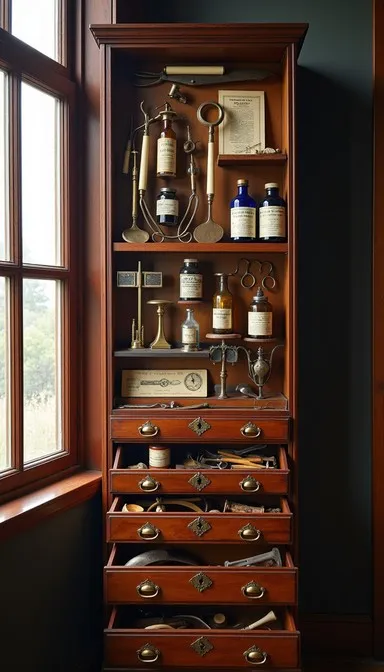
Photo: vintage apothecary medicine bottles old wooden cabinet, via images.stockcake.com
Ask your grandparents about cannabis and you might get a giggle, a lecture, or — if you're lucky — a story. The truth is, most American families have a closer relationship with this plant than anyone likes to admit. It just went by different names back then.
Before the Marihuana Tax Act of 1937 threw a blanket over the whole thing, cannabis was ordinary. It sat in apothecary drawers, grew as a cash crop in Kentucky, and showed up in patent medicines stocked by small-town druggists. If your family has been in this country for more than a couple of generations, there's a decent chance the plant was part of the household — and the genetics it carried are still circulating today.
When Cannabis Was Just Medicine
Flip through a 19th-century medical text and cannabis is everywhere. Physicians prescribed cannabis tinctures — usually alcohol-based extracts of hemp or imported Indian cannabis — for everything from migraines to menstrual cramps. Companies like Parke-Davis and Eli Lilly sold it over the counter.
What does that mean for your genealogy project? If an ancestor was a doctor, pharmacist, or even just a rural homesteader with a home-remedy habit, there's a real chance cannabis tincture lived in their cabinet. Family letters, estate inventories, and old pharmacy ledgers sometimes list "cannabis indica" or "extract of hemp" right between the laudanum and the castor oil. Census records and agricultural schedules can tell you something too — hemp was a legal, taxed crop in Kentucky, Missouri, Illinois, and parts of the Midwest well into the 20th century.
The Hemp Fields of the Heartland
Here's the part most people miss: for a long stretch of American history, growing cannabis wasn't counterculture. It was agriculture.
Kentucky was the nation's hemp basket for over a century. Wisconsin had its own hemp boom during both World Wars, when the federal government actually asked farmers to grow it — there's a famous WWII Department of Agriculture film called Hemp for Victory that's now a collector's item. Families in Lexington, Dane County, and dozens of farm towns across the Midwest planted it, harvested it, and didn't think twice.
Those old fiber hemp fields weren't the resin-heavy flower we chase today, but they're part of the genetic story. Modern hemp bred for CBD and fiber traces a direct line back to those row crops.
What Old Genetics Look Like Now
So suppose you dig up a family connection. What are you actually looking at on a dispensary menu?
- Landrace genetics — the original regional varieties like Afghani, Hindu Kush, and Acapulco Gold — are the great-grandparents of nearly everything on shelves today. Acapulco Gold itself is a fun one for American family stories, since it came north through the counterculture highway routes of the late '60s and early '70s.
- Heirloom strains are landraces that left home and stabilized somewhere else — think of the legendary Colombian and Mexican genetics that floated through American scenes decades ago.
- Modern descendants are easy to spot once you know the family names. A menu full of Kush, Haze, and Skunk labels is basically a family reunion.
If your great-uncle was growing in Northern California in the '70s, odds are decent his plants carried Haze or early Afghani genetics — lineages that show up in everything from Super Silver Haze to Girl Scout Cookies.
How to Do the Dig
Start with the usual genealogy tools, but search differently. Look for:
- Agricultural census schedules listing hemp as a crop
- Pharmacy and medical records mentioning cannabis tinctures
- Local newspaper archives — hemp auctions and drug busts both made the paper, depending on the decade
- Family photos — that tall field crop behind Grandpa's barn might not have been corn
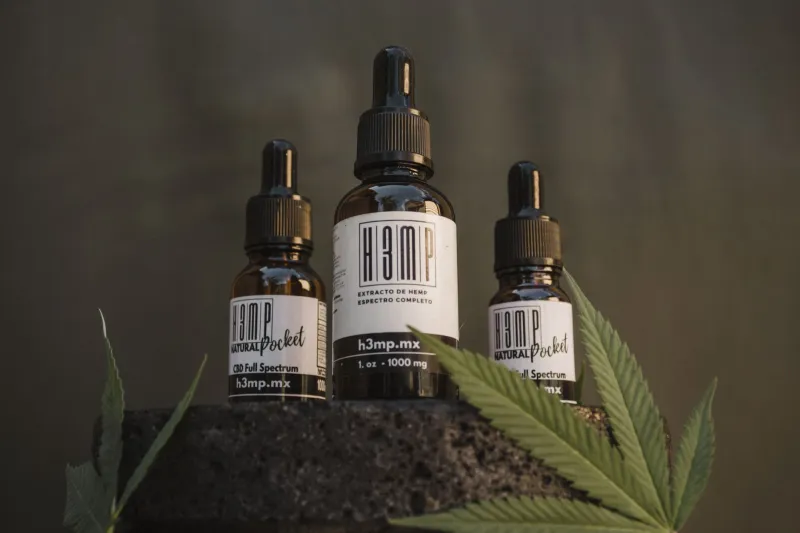
Then bring the story full circle. If you find a hemp-farming ancestor, try a CBD-rich hemp product or a Kush-dominant flower and think of it as meeting a very distant cousin.
Why It Matters
Cannabis didn't arrive on American shelves from nowhere. It grew up alongside our families, in their fields and medicine cabinets, until the laws pushed it into the shadows — and now, state by state, it's walking back out. Tracing your family's cannabis history isn't just a fun genealogy side quest. It's a reminder that the newest thing at the dispensary might be the oldest thing your family ever knew.
So next Thanksgiving, skip the awkward small talk and ask Grandma what was in her mother's tincture bottle. You might be surprised what grows on the family tree.