Sleepy Letters and Speedy Letters: What CBN and THCv Are Actually Doing to You
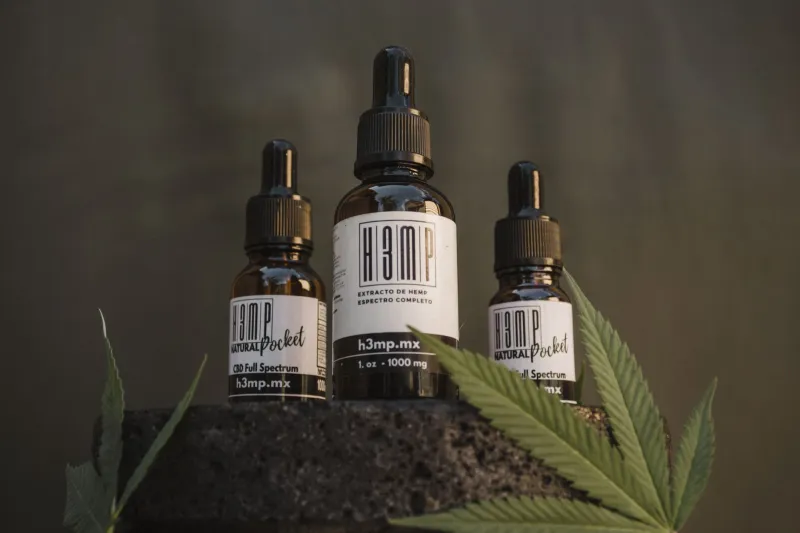
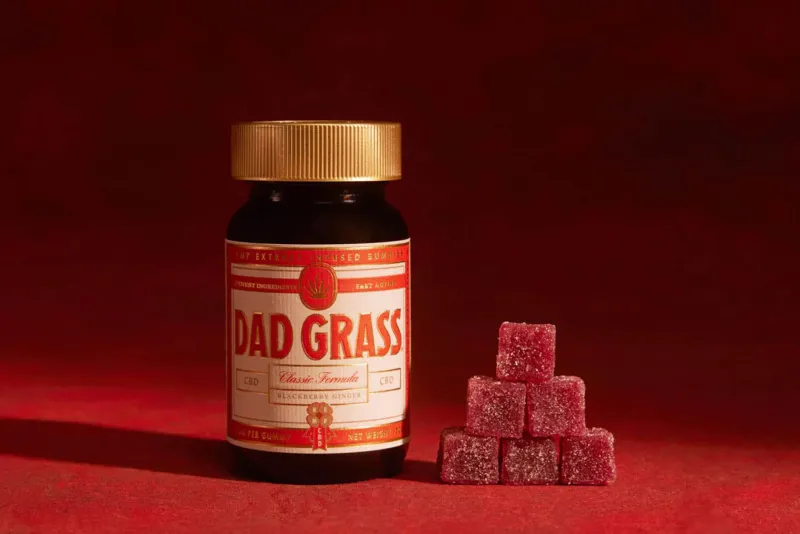
Walk into any dispensary from Denver to Detroit and you'll see it: a whole shelf section that didn't exist three years ago. Gummies labeled CBN. Tinctures promising THCv "clean energy." Capsules blending CBG, CBN, and CBD like a fantasy football lineup. The minor cannabinoid market has exploded, and honestly, some of it is interesting science. Some of it is marketing wearing a lab coat.
Let's sort out which is which.
Why Everything Has a Letter Now
THC and CBD get all the attention, but cannabis produces well over a hundred cannabinoids. Most show up in tiny amounts — fractions of a percent of the plant — which is why they're called "minor." For decades, extracting them at scale wasn't worth the trouble. Then two things happened: extraction tech got cheap, and the 2018 Farm Bill made hemp-derived cannabinoids a legal gray zone wide enough to drive a semi through.
Suddenly, companies could pull CBN and THCv from hemp, ship it to most states, and sell it without touching the dispensary system at all. That's why you're seeing these products at gas stations, smoothie shops, and your cousin's MLM pitch.
CBN: The Sleep Gummy Star (With an Asterisk)
CBN — cannabinol — is what THC slowly becomes as flower ages. That old jar in the back of your drawer? More CBN than when you bought it.
The pitch: CBN is a sleep aid. The evidence: thinner than the packaging suggests. Most of the sleep claims trace back to a small, ancient study from the 1970s that found CBN made people drowsy — when combined with THC. On its own, CBN hasn't shown much sedative effect in controlled research. There's also essentially no data on long-term safety or dosing.
What's probably happening in those sleep gummies: the THC content (many contain a little), the melatonin they're paired with, or a solid placebo and bedtime routine. If a CBN gummy knocks you out, great — but you might be paying a premium for melatonin with a cannabis branding deal.
THCv: The 'Weed That Doesn't Munchie You'
THCv is the opposite energy. It's found mostly in landrace strains from Africa, and early research suggests it behaves differently than THC — possibly suppressing appetite rather than cranking it, and acting more like a stimulant at low doses.
The catch: the appetite-suppression studies were small and short. The weight-loss claims you see splashed across packaging are running way ahead of anything resembling clinical proof. Also, most "THCv" products on shelves contain vanishingly small amounts of the actual compound, often blended with regular THC — which absolutely will give you the munchies.
If you want to try it, look for products with a real THCv number on the lab report, not just THCv in the flavor text.
Quick Hits on the Rest of the Soup
CBG — The "stem cell" cannabinoid that others develop from. Early research on inflammation and glaucoma is intriguing but preliminary. Often marketed as daytime functional support.
Delta-8 and Delta-10 — Technically minor THC variants. Delta-8 built a whole unregulated industry on a chemistry workaround, and several states have already banned it. Quality control is a genuine concern here — some synthetic conversion byproducts have shown up in testing.
CBD, obviously — The OG minor cannabinoid. Best-supported use is still a specific seizure disorder drug (Epidiolex). Everything else is murkier.
How to Shop Without Getting Played
A few rules of thumb from folks who've watched this shelf evolve:
- Demand a Certificate of Analysis. Legit brands publish third-party lab results with actual milligram counts. If the COA is missing or vague, walk.
- Beware blend marketing. A gummy with 0.5mg of seven different cannabinoids reads impressive but delivers sub-threshold doses of everything.
- **Match the claim to the evidence."Supports relaxation" is marketing-speak for "we can't legally say it does anything."
- Start low, especially with anything hemp-derived. The unregulated side of this market has a dosing accuracy problem.
The Bottom Line
Minor cannabinoids are a legitimately fascinating frontier, and some of them may earn their hype eventually. Right now, CBN and THCv sit in the "promising but unproven" bucket — worth watching, worth experimenting with if you're curious, but not worth restructuring your sleep schedule or diet around.
Buy from brands with real lab results, keep your expectations calibrated, and remember: the compound with the most human evidence behind it is still plain old THC, which your grandparents' generation survived just fine without a sleep gummy named after it.