Grown Where You Live: Why the Same Strain Tastes Different Depending on Your Zip Code
Wine people have had this argument for centuries. A Pinot Noir from Oregon's Willamette Valley tastes nothing like one from Burgundy, and sommeliers built entire careers on explaining why. Cannabis is finally catching up to the idea — and if you've ever smoked the same strain in two different states and sworn something was off, you weren't imagining it.
The concept wine folks call terroir — the idea that soil, climate, and elevation imprint themselves on a crop — applies to cannabis in ways that are only now getting serious attention from craft growers. Humidity, sunlight intensity, temperature swings between day and night: all of it nudges the plant's terpene production in one direction or another. And terpenes, as we've covered before, are the real reason one strain puts you on the couch and another has you reorganizing the garage.
What the Weather Is Actually Doing to Your Flower
Terpenes are the plant's chemical defense system, essentially. When growing conditions get stressful — intense UV at altitude, dry air, big temperature drops at night — the plant ramps up production of certain compounds to protect itself. That's why flower grown in the high desert often comes out sharper and more resinous than the same genetics raised in a muggy coastal greenhouse.
A few rough rules of thumb that growers keep repeating:
- High altitude, intense sun. More UV exposure tends to push resin and flavonoid production up. Colorado and New Mexico flower often carries a brighter, spikier edge.
- Humid climates. Growers fight mold pressure in the Southeast and parts of the Midwest, which means earlier harvests and sometimes underdeveloped terp tails — though indoor growers sidestep this entirely.
- Cold nights. A hard temperature swing before harvest is a classic trick for coaxing out purple pigments and deepening myrcene-heavy, grape-and-diesel profiles. Ask anyone who's grown in Michigan's Upper Peninsula.
- Dry climates. Low humidity lets terpenes concentrate rather than dilute, which is part of why California's Emerald Triangle earned its reputation in the first place.
None of this is magic. It's plant biology doing what it always does — responding to the environment. But the result is that genetics are only half the story. The other half is the weather report.
The Same Strain, Two States Apart
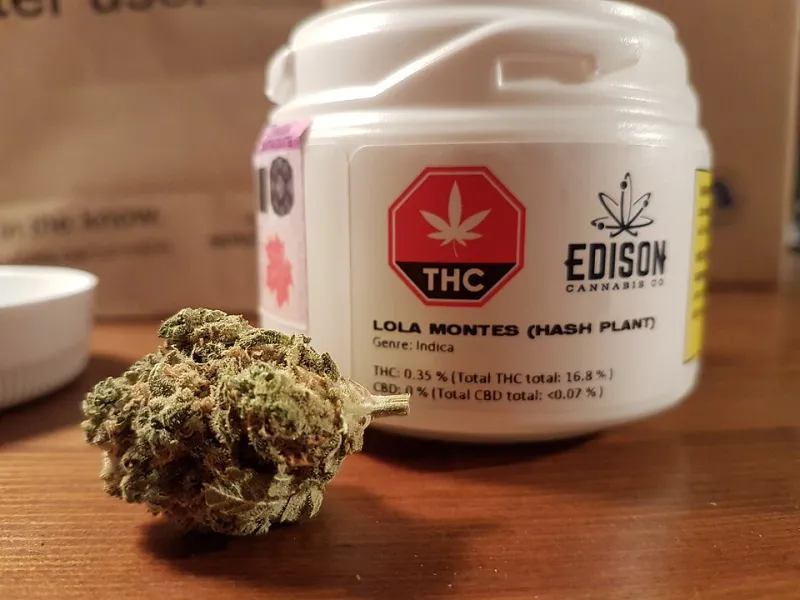
Take Blue Dream, probably the most widely grown strain in America. A Blue Dream cultivated outdoors in Northern California, with its long dry fall and coastal fog mornings, tends to develop that classic sweet berry-and-herbal profile at full expression. The same genetics grown in a Michigan greenhouse, racing the frost clock, often lands somewhere more piney and less fruity — still good, but a different animal.
Colorado growers working Blue Dream at 5,000+ feet report denser resin coverage and a sharper, almost minty finish that the California version doesn't have. Whether that's "better" is entirely a matter of taste. But it's real, it's repeatable, and it's why some consumers have started asking budtenders not just what the strain is but where it was grown.
A Rough Map of Regional Flavor
Craft markets in legal states are starting to develop recognizable regional signatures. This is anecdotal, drawn from growers and budtenders rather than peer-reviewed science — but the patterns are consistent enough that people are noticing.
California — The benchmark. Long sun seasons and decades of outdoor farming expertise mean fruit-forward, complex profiles. Expect tropical and berry notes from top-shelf sungrown.
Colorado — High altitude, brutal UV, dry air. Resin-heavy flower with sharper, spicier finishes. Diesel and fuel notes tend to pop here.
Michigan — Cold-climate indoor dominance. Growers lean into hash-forward, gassy cultivars that finish fast, and the Midwest craft scene has quietly become one of the best value markets in the country.
Oregon — Similar to California but with more rain risk, which pushes growers toward mold-resistant genetics and earlier-finishing strains. Earthy, robust profiles.
Oklahoma and Missouri — Massive indoor greenhouse operations. Consistency is the name of the game rather than terroir, though some craft operators are proving the plains can grow with the best of them.
Massachusetts and the Northeast — Almost entirely indoor, which means the region's identity is less about climate and more about what the growers choose to cultivate. Expect hype cultivars and dessert terps.
Why This Matters to Your Wallet
Here's the practical takeaway: "strain name" is becoming a less useful label than "strain name plus grower plus region." Two jars of the same cultivar from different farms can be as different as the names suggest two separate strains should be. When you're standing at the dispensary counter, asking where something was grown — and how — tells you more than the name on the jar.
And if you ever get the chance, do a side-by-side. Same strain, two states, same session. It's the fastest terroir lesson you'll ever get, and considerably cheaper than a flight to Burgundy.
The plant has been keeping a diary of the weather all along. Now consumers are finally learning to read it.