Six Months in a Mason Jar: The Quiet Goodbye Your Stash Says When You're Not Looking
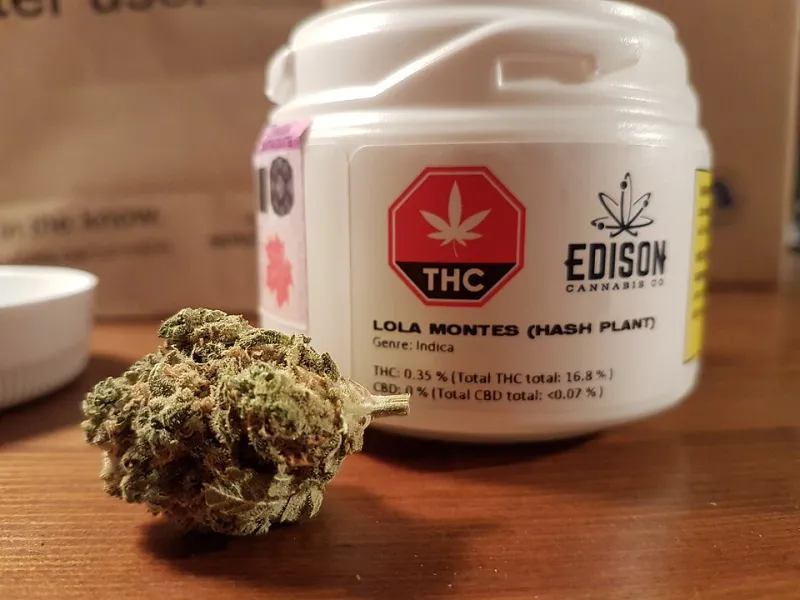
Photo: Coastal Elite from Halifax, Canada, CC BY-SA 2.0, via Wikimedia Commons
You bought that eighth because it smelled like a citrus grove and hit like a freight train. Three months later, it smells like a hay bale and hits like a nap. Nobody sold you different weed — time did.
Cannabis isn't inert once it's harvested. It's still a bundle of volatile chemistry, and every choice you make after sealing the jar either preserves it or quietly dismantles it. Here's the honest breakdown of what's going on in there.
The Terpene Exodus
Terpenes — the aromatic compounds responsible for that lemon, diesel, or pine character — are the first casualties. They're volatile by design, meaning they evaporate at surprisingly low temperatures and escape through any seal that isn't airtight.
A jar left in a warm room can lose a noticeable chunk of its aromatic profile within weeks. That's why a jar cured perfectly at the dispensary can still disappoint at home: your storage is part of the cure, whether you like it or not. Light accelerates the loss even further, which is why the amber glass isn't just aesthetic — it's armor.
THC Doesn't Vanish. It Changes.
Here's the part most people get wrong: your old flower isn't weaker in the way you think. THC degrades primarily into CBN, a cannabinoid associated with heavy eyelids and body sedation rather than the bright, cerebral lift of fresh THC.
So that year-old stash might not be dramatically less potent by raw numbers — it's just a different experience. Less giggly, more sleepy. If you've ever smoked old flower and wondered why you felt foggy instead of high, that's the THC-to-CBN shift doing its work.
Moisture: The Goldilocks Problem
Humidity is where storage gets genuinely tricky. Too wet (above roughly 65% RH inside the jar) and you're inviting mold, which is a hard stop — no curing trick saves moldy flower. Too dry and the bud crumbles to dust, taking terpenes with it.
The sweet spot for long-term storage sits around 58–62% relative humidity. This is exactly where humidity packs earn their keep: they're two-way regulators, pulling moisture out of overly damp bud and releasing it back into flower that's drying out. They're not a gimmick — they're the closest thing to a pause button you can buy for a few bucks.
A Simple Home Storage Playbook
You don't need lab equipment. You need consistency:
- Airtight glass, always. Mason jars or UV-blocking glass containers beat plastic bags and plastic containers, which can leach flavor and don't seal well.
- Dark and cool. A closet or drawer beats a windowsill every time. Heat and light are the two fastest ways to age your flower prematurely.
- Don't overpack. Bud needs a little breathing room; jamming a jar full compresses trichomes and traps moisture.
- Burp during the first weeks if you're curing your own. Opening the jar daily for the first week or two of a home cure releases residual moisture and prevents ammonia smells.
- Replace humidity packs when they stiffen. They're consumable, not permanent.
- Skip the fridge and freezer for everyday stash. Freezing makes trichomes brittle and prone to snapping off; fridges fluctuate in humidity. Save freezing for long-term stash you won't touch for months.
So Is Old Weed Worth Smoking?
Honestly? Sometimes. Six-month-old flower stored well can still be genuinely enjoyable, especially if it was dense and resinous to start. A year out, expect muted flavor and a sleepier effect. Past eighteen months, you're mostly smoking history.
The smarter move is rotation: buy amounts you'll finish in a month or two, store the overflow properly, and label jars with dates like a normal person with a pantry. Cannabis rewards the same attention you'd give good coffee or wine.
The jar doesn't freeze time — it just slows the melt. Slow it well, and that last bowl of the jar can taste almost as good as the first.