The Plant That Never Slept: Why Extractors Put Cannabis on Ice Before It Hits the Lab
Every jar of live resin you've ever admired under a dispensary light case started its life the same way as every other cannabis product: as a living, breathing plant in soil or a hydroponic tray. Where the story splits is at harvest. Instead of hanging branches upside down in a dark room for a week or two, the grower bags up entire stalks — flowers, leaves, sometimes the whole root ball — and gets them into a commercial freezer within hours.
That's the fresh-frozen process, and it's the single biggest reason live resin tastes the way it does.
What Freezing Actually Preserves
Here's the short version of the chemistry: terpenes are volatile. They evaporate. The moment a plant is cut, enzymes start breaking down those aromatic compounds, and the drying process — necessary for smoking flower — accelerates the loss. Some estimates put terpene degradation during a standard cure at 50% or more of the fresher, lighter aromatics.
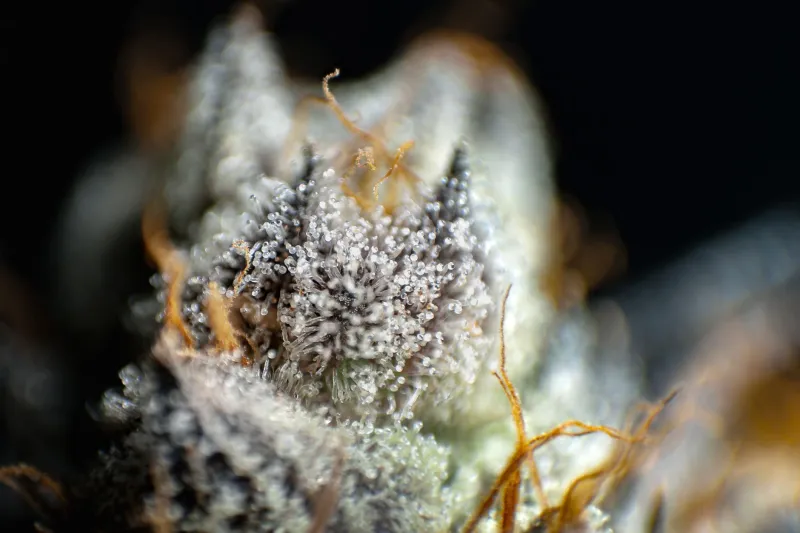
Freezing hits pause on all of that. The trichomes harden into little glassy spheres, the terpene profile locks in at whatever it was the day of harvest, and the extractor can then wash that frozen material in a cryogenic solvent bath, usually butane or propane chilled to subzero temperatures, to pull out the cannabinoids and terpenes together.
The result is an extract that tastes closer to the smell of a living plant than anything else on the market. Open a jar of good live resin and you get citrus rind, pine sap, diesel, whatever the strain was actually expressing — not the generic, slightly caramelized sweetness that heavy curing can produce.
Live Resin vs. Rosin vs. Everything Else
The concentrates aisle has become a vocabulary quiz, so let's sort it out:
- Cured extracts (shatter, wax, cured budder): Made from dried and cured flower. Longer shelf-stable, cheaper to produce, and flavor-wise the furthest from the fresh plant.
- Live resin: Fresh-frozen material, solvent-based extraction (BHO). The workhorse of the terpene-preservation movement.
- Live rosin: Fresh-frozen material, but extracted with only heat and pressure — no solvents at all. Generally the most expensive thing on the shelf, and many connoisseurs consider it the ceiling of flavor.
The rosin-versus-resin distinction trips people up constantly. Resin uses a solvent; rosin is pressed. If a jar says "solventless," that's your rosin. Both can start from fresh-frozen input, which is why the word "live" shows up on both.
How to Spot the Good Stuff
Not all live resin is created equal, and the label alone won't save you. A few things worth checking before you drop $60 on a gram:
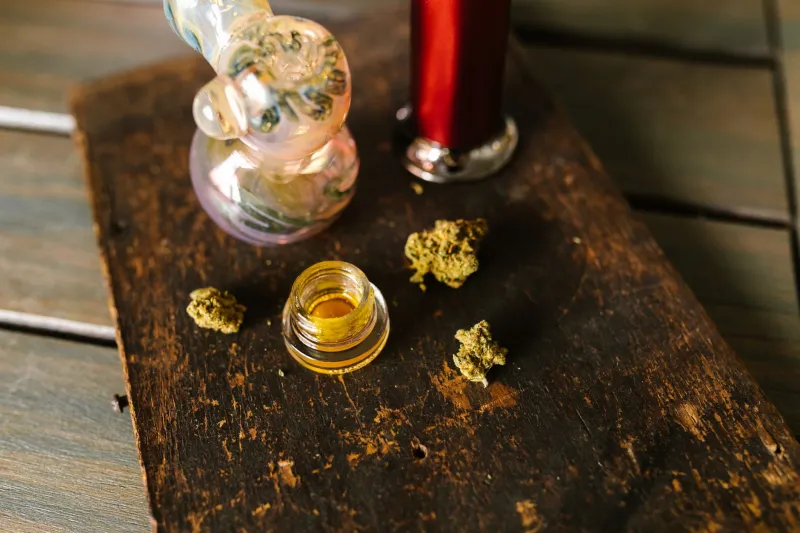
Color. You're looking for a pale gold to light amber. Dark, muddy extracts usually signal sloppy processing, excessive heat, or older material. That said, some strains naturally run darker, so treat color as a flag, not a verdict.
Texture. Live resin comes in saucy, sugary, and badder consistencies depending on how it was whipped and stored. What matters is that it's consistent — no weird separation or crystallization unless it's been sitting in your drawer for months.
The label. Reputable extractors print harvest dates and batch numbers. If a jar won't tell you when the plant was frozen, that's a conversation to have with your budtender.
Smell. This is the whole point. If the jar smells flat or like cleaning solvent, pass. Good live resin should punch you in the nose before you even crack the lid.
Is the Premium Worth It?
Live resin typically runs 20 to 40% more than comparable cured extracts, and live rosin can cost double. Whether that's worth it depends on what you're buying it for.
If you're a flavor-first consumer — the person who actually tastes the difference between a Lemon Cherry Gelato and a MAC — the premium is justified. The terpene content in quality live resin routinely hits 8 to 12%, versus 2 to 4% in cured extracts, and that's not a subtle difference in the experience.
If you're chasing pure THC numbers, you're paying for the wrong thing. Cannabinoid potency between a good cured extract and a good live resin is often nearly identical. You're paying for the aromatics and the entourage effect that comes with them.
A practical middle path: buy live resin for weekends and special sessions, keep a cheaper cured cart or dab for the Tuesday-night wind-down. Your wallet and your palate can coexist.
Where It's Heading
Fresh-frozen has gone from an underground extractor trick to an industry standard in under a decade, and the next wave is already visible: single-source live resin where one farm handles the grow, freeze, and extraction, and strain-specific batches labeled by harvest date like wine vintages. As more states come online, expect the fresh-frozen supply chain — cold-chain logistics, regional extractors, small-batch drops — to become the new battleground for quality.
The plant never got to dry. Turns out, that was the whole point.