White Powder, Real Power: The Untold History of Kief, Hash, and Every Word We Use for Frost
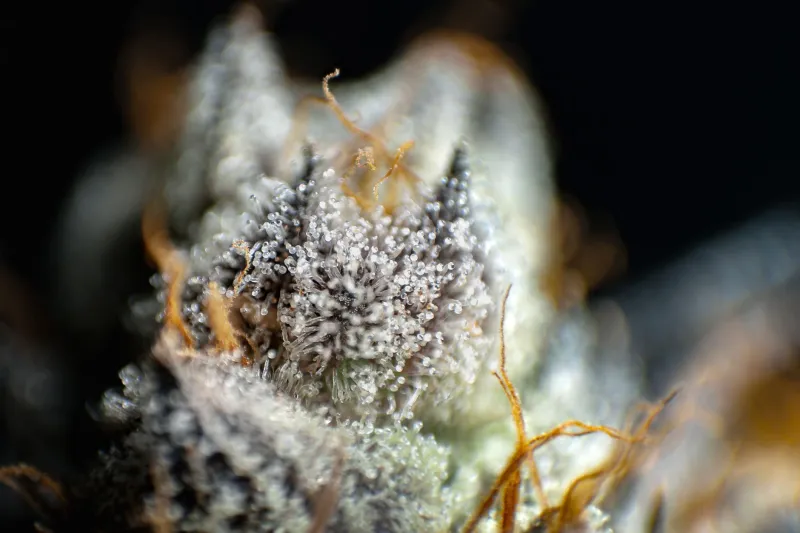
Somewhere on a dispensary shelf right now, a jar is labeled with words like "frost," "snow," and "iced out." For a site named Do You Know Bud Snow, we get asked about this stuff constantly — mostly by folks who just want to know what they're actually looking at when a bud glitters under the shop lights.
The short answer: trichomes. The long answer is a lot more interesting, because almost every word in the cannabis frost lexicon traveled through history to get here.
First, the Science: What Is All That Shimmer?
Those tiny crystal-looking bumps coating quality flower aren't crystals at all. They're trichomes — resin glands that cover the plant like a defensive armor. In nature, they deter pests and filter UV light. In your stash jar, they're where the good stuff lives: THCA, terpenes, and the minor cannabinoids that shape how a strain actually hits.
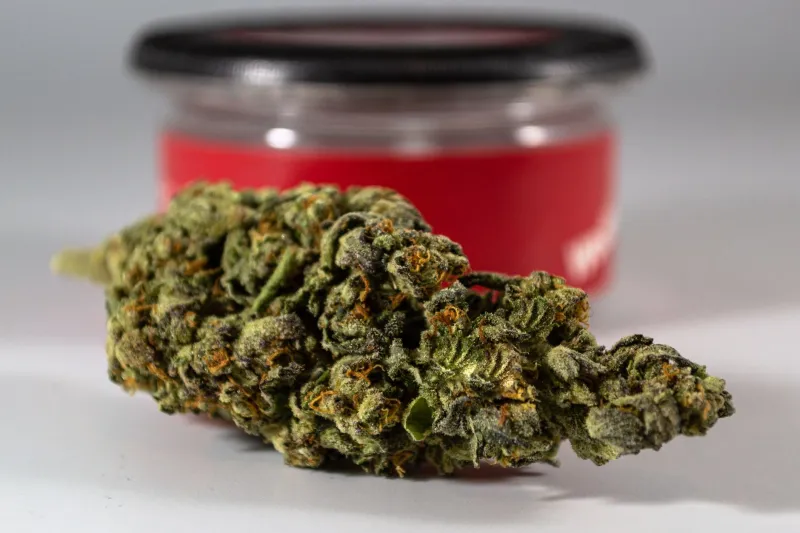
More trichomes generally means more potency, which is why budtenders and growers obsess over them. A dense coating of cloudy or amber heads signals a properly harvested, properly cured plant. A bare-looking bud? That's usually a red flag dressed up as a bargain.
Kief: The Word That Crossed the Ocean
"Kief" comes from the Arabic word kaif, which loosely means "well-being" or "intoxication." The term made its way through North Africa — particularly Morocco, where kief traditionally referred to a mix of finely sifted cannabis and tobacco — and landed in American slang somewhere in the 20th century.
Today, kief means one thing: the loose, powdery trichome heads that collect in your grinder's bottom chamber. It's the concentrated essence of the plant, separated from the plant material by nothing more than friction and mesh screens. Sprinkle it on a bowl and you've effectively supercharged it.
Hash: The Granddaddy of Concentrates
Hash — short for hashish — is the oldest concentrate on record. The word traces back to the Arabic hashish, meaning "grass" or "dry herb," and compressed resin has been pressed, rolled, and smoked across the Middle East and Asia for centuries.
Modern American hash looks a little different. Bubble hash, made by agitating flower in ice water and filtering it through progressively finer bags, has become a craft product with real prestige. Full-melt bubble hash that bubbles and vaporizes cleanly when touched with a dab tool is the artisanal end of the spectrum — and it commands artisanal prices.
So Why "Snow" and "Frost"?
Here's where it gets distinctly American. The snow metaphor is mostly a product of the Instagram era. When macro photography started showing up on dispensary menus and social feeds around the mid-2010s, dense trichome coverage genuinely resembled a dusting of fresh powder on a mountain slope. "Frosty" became shorthand for high resin production, and "snow cap" — a term that also names a specific old-school strain lineage — got absorbed into the general vocabulary.
A "snow bud" or "snow cap" today usually signals one of two things: a strain that's genuinely trichome-heavy, or a grower who knows exactly which buzzwords move product. That's the part worth paying attention to.
When Slang Becomes a Sales Pitch
Language cuts both ways in this industry. Knowing the vocabulary helps you spot the difference between a genuinely frosty flower and a jar that's borrowing the aesthetic.
A few quick tells the next time you're sizing up an eighth:
- Look past the glitter. Some trim jobs and lighting tricks make mediocre flower look dusted. Rotate the bud under real light — genuine trichomes sparkle from every angle, and they're sticky to the touch, not just shiny.
- Ask about the cure, not just the coating. Frosty flower that's been improperly dried will hit harsh and taste like hay. Resin content and cure quality are two separate things.
- Watch for vague superlatives. "Caked," "iced," and "snowed on" mean nothing without lab results. Legal markets require testing — check the THC percentage and terpene profile on the label.
The Insider Dictionary, Condensed
If you want to sound like you've been around, here's the working glossary:
- Trichomes — the resin glands themselves; the source of everything else on this list
- Kief — loose, sifted trichome heads collected in a grinder or on screens
- Hash — resin that's been collected and compressed, by hand, water, or pressure
- Full melt — premium hash that vaporizes completely with little residue
- Frosty/snowy — slang for heavy trichome coverage on flower
- Squishy — rosin pressed from hash, the solventless darling of the modern market
Why It All Matters
Every one of these words started as a practical description from someone who worked with the plant — sifters in the Rif Mountains, growers in Humboldt, hash makers in their kitchens. The slang stuck because it described something real.
So the next time a bud shimmers at you from behind the glass, you'll know you're looking at thousands of tiny resin glands, each one a chemical factory the plant built to protect itself — and that centuries of language followed it all the way to your grinder. That's not just marketing. That's the actual snow on the bud.