Smell First, Ask Questions Later: The Real Science Behind How a Strain Will Hit You
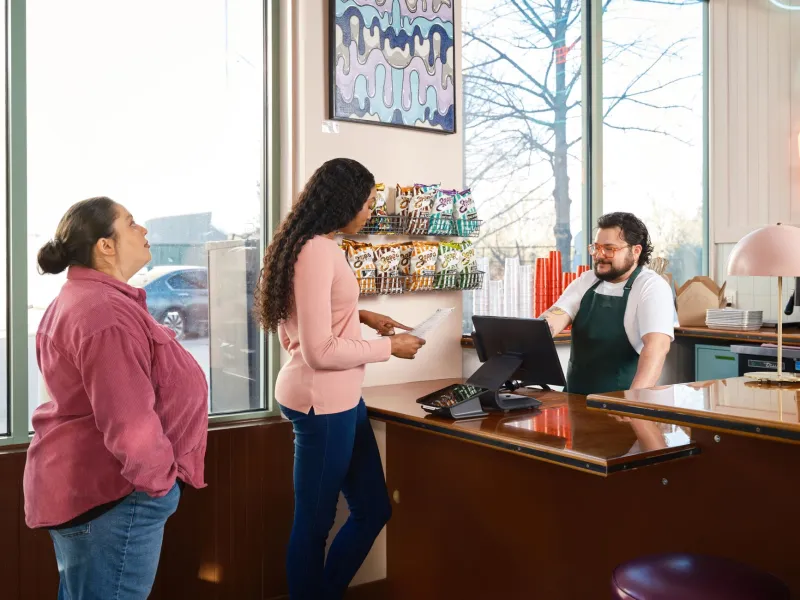
You've done it. Everybody's done it. You walk into the dispensary, squint at the menu, and ask the budtender the question they've heard eight thousand times this week: "Is this more of an indica or a sativa?"
Here's the uncomfortable truth the industry is slowly coming clean about: that label tells you almost nothing about how the flower will actually affect you. It's astrology for cannabis — feels meaningful, rarely predictive.
Why the Indica/Sativa Split Is Basically Folklore
The terms weren't even about effects originally. "Indica" and "sativa" are botanical classifications from the 1700s describing plant shape and growing habits — short, bushy plants versus tall, lanky ones. Somewhere along the way, dispensaries slapped "indica = sleepy, sativa = energetic" on top, and the myth stuck.
Modern lab testing has made the problem obvious. A "pure indica" and a "pure sativa" can have nearly identical THC percentages and wildly different effects depending on one thing the old binary ignores entirely: terpenes.
Terpenes: The Actual Puppet Masters
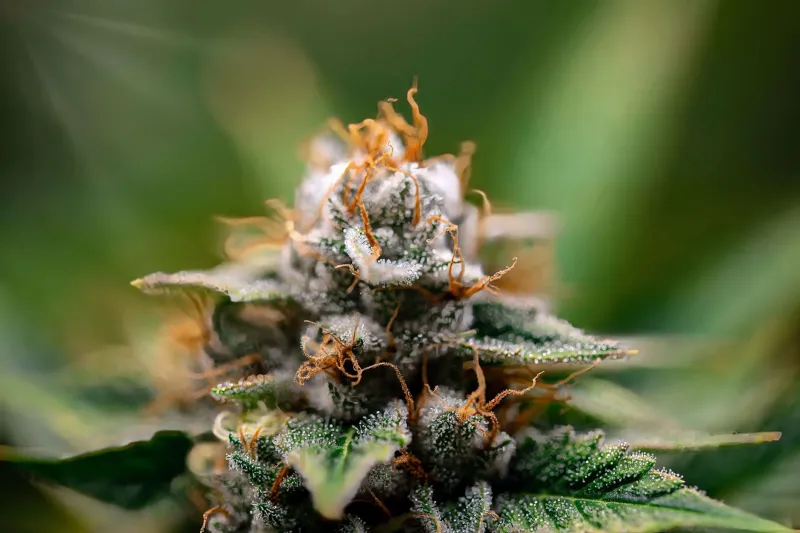
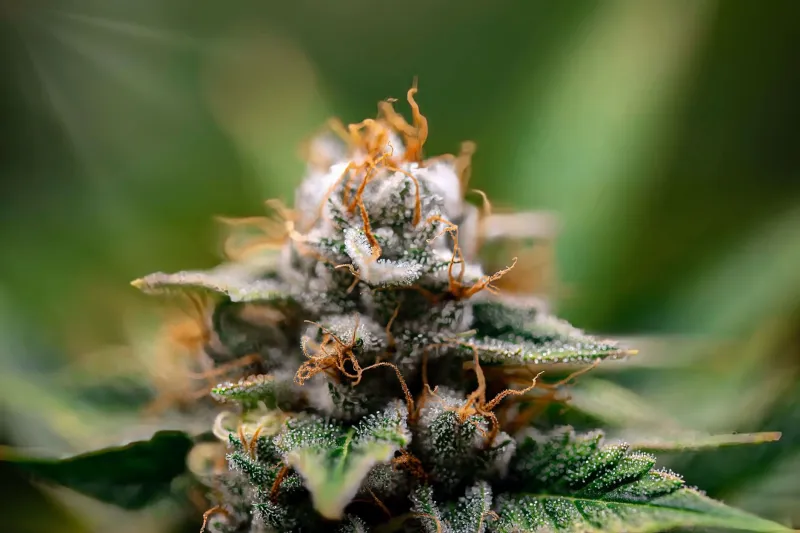
Terpenes are aromatic compounds — the reason one jar smells like a citrus grove and another like a pine forest after rain. Cannabis produces over 150 of them, but a handful do most of the heavy lifting when it comes to effects:
- Myrcene — earthy, musky, found in mangoes and hops. The most abundant terpene in most flower, and the one most associated with that heavy, body-melting feeling.
- Limonene — the citrus smell. Commonly linked to uplifted, stress-shedding vibes.
- Pinene — exactly what you think. Associated with alertness and easier breathing.
- Linalool — floral, lavender-adjacent. The relaxation crowd's favorite.
- Caryophyllene — peppery and spicy. Unique because it also interacts with your endocannabinoid system directly.
The entourage effect — the theory that cannabinoids and terpenes work together — means a 20% THC strain dominated by myrcene will land very differently than a 20% strain led by limonene. Same THC, totally different evening.
The Cheat Sheet: Match the Aroma to the Moment
Stop asking "indica or sativa?" and start asking "what does it smell like?" Here's your pocket guide:
Movie night / full-body melt: Look for high myrcene. Earthy, hoppy, sometimes mango-adjacent aromas. Classic nightcap territory.
Social hangout / creative push: Limonene-forward flower. Citrus, tropical, bright smells. Great for a hike, a paint session, or hosting friends without turning into a statue.
Focus / daytime without the fog: Pinene and caryophyllene. Piney, peppery profiles tend to keep your head on straight.
Wind-down without total knockout: Linalool-rich options. Floral and lavender notes split the difference between alert and asleep.
How to Actually Use This at the Dispensary
Most legal states now require terpene percentages on the label or lab results. Ask your budtender for the top three terpenes in any strain you're considering — that's more predictive than any indica/sativa tag on the shelf.
And trust your nose. If you get to smell the flower (many shops offer sample jars), your reactions to specific aromas are real data. People reliably enjoy terpene profiles they're drawn to.
The Bottom Line
The indica/sativa question is a habit, not an answer. The next time you're standing at the counter, flip the script: ask about the terpene test results, sniff what you can, and match the smell to your plans. Your future self — whether that's a puddle on the couch or the most productive Saturday of the month — will thank you.