The 30-Second Bud Inspection: How to Size Up Flower Like You Grew It Yourself
Here at Do You Know Bud Snow, we think you should be able to look at a nug and know its whole life story. Where it was grown, how it was dried, whether somebody rushed the cure — it's all written right there on the bud. You just need to know how to read it.
This isn't about being snobby. It's about not paying premium prices for hay. Here's the inspection routine we run every time, and it takes about half a minute.
Step One: The Squeeze Test
Gently squeeze the bud between your thumb and finger. You're looking for a little give — dense buds should have some spring to them, and fluffy buds should still feel alive, not brittle. If it crumbles into dust, it's bone dry and probably harsh. If it squishes into a dense lump and stays there, it was packed wet, and that's a mold risk.
Pro move: give the jar a sniff right after opening. A fresh, slightly sweet, grassy snap of aroma means the cure is on point. Musty hay smell? The terpenes are long gone. Anything that smells like a damp basement? Walk away.
Step Two: Read the Frost
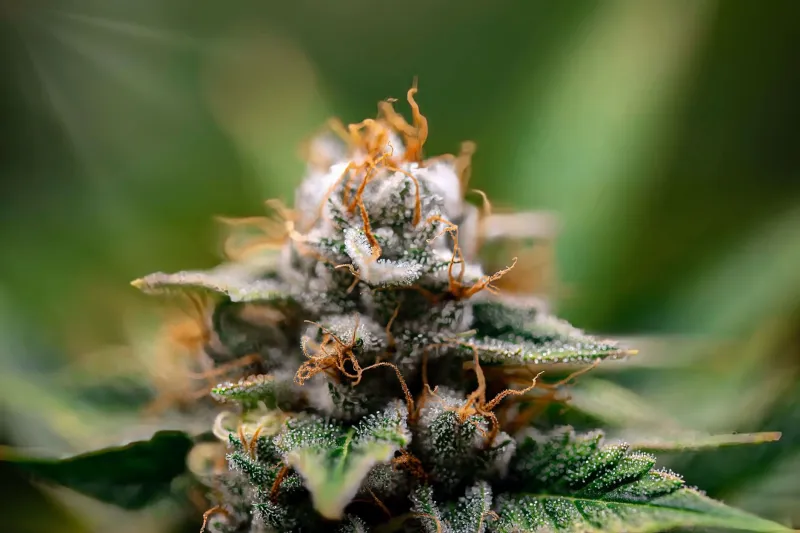
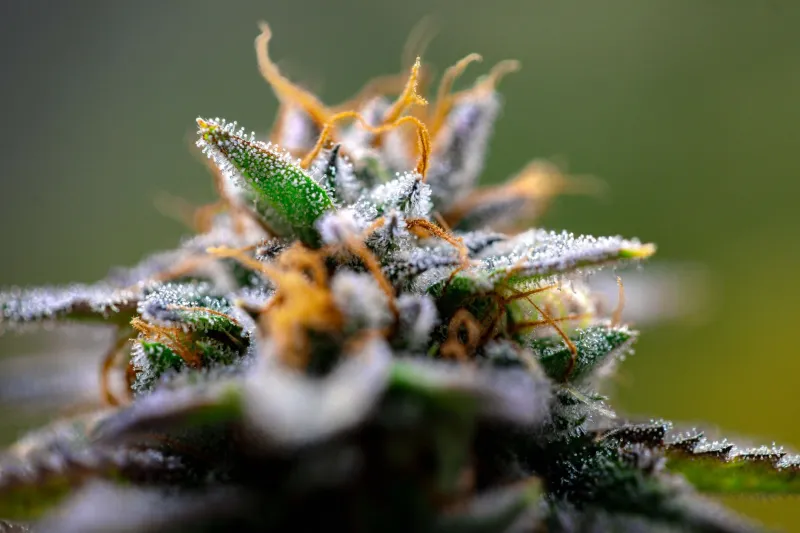
Now get close to the glass — or better, ask for a closer look through a loupe if the shop has one. What you're hunting for are trichomes: those tiny, mushroom-shaped resin glands that make good flower look like it got dusted with snow. (Yeah, that's the whole brand vibe here.)
- Cloudy, milky trichomes mean THC is at or near peak. That's what you want.
- Amber or gold trichomes mean the THC is starting to degrade into a more mellow, body-heavy compound. A few ambers are fine; a sea of amber means it's past its prime.
- Clear, glassy trichomes mean it was harvested early. It'll get you high, but the terps and potency won't be what they could've been.
Density of the frost matters too. A bud with resin visible in the crevices — not just on the flat surfaces — was grown and handled with care.
Step Three: Check the Hairdo
Pistils are those little orange, red, or brown hairs curled across the surface. They're the plant's female reproductive bits, and they tell a story. A healthy mix of white-orange pistils suggests a proper harvest window. Buds that are almost entirely brown and withered-looking were either harvested late, badly handled, or are simply old stock. None of those are dealbreakers on their own, but combined with a weak smell, they're a pattern.
Step Four: The Trim Job
Look at how the leaf was cut away. A tight, clean trim means someone cared — you see the flower structure clearly, not a shaggy mess of sugar leaves. Excessive leaf matter isn't just cosmetic; those leaves hold more chlorophyll, which means a harsher, more planty smoke. That said, some hand-trimmed small-batch flower looks a little rustic on purpose. Rustic is fine. Ragged and dry is not.
Step Five: Ask About the Date
Last thing: check the harvest or packaging date on the label. Well-cured flower holds up for months, but the fresher the better for terpene content. If the shop can't or won't tell you the date, that's information too.
Put It All Together
No single factor disqualifies a nug — but three or four red flags together mean you're about to overpay. Frost, smell, springiness, clean trim, fresh date. Hit all five and you've found keeper flower, whether it's $12 a gram or $6.
The more buds you inspect, the faster your eye gets. Pretty soon you'll be doing the squeeze-and-sniff in the parking lot without even thinking about it. Welcome to the club — that's the Bud Snow way.